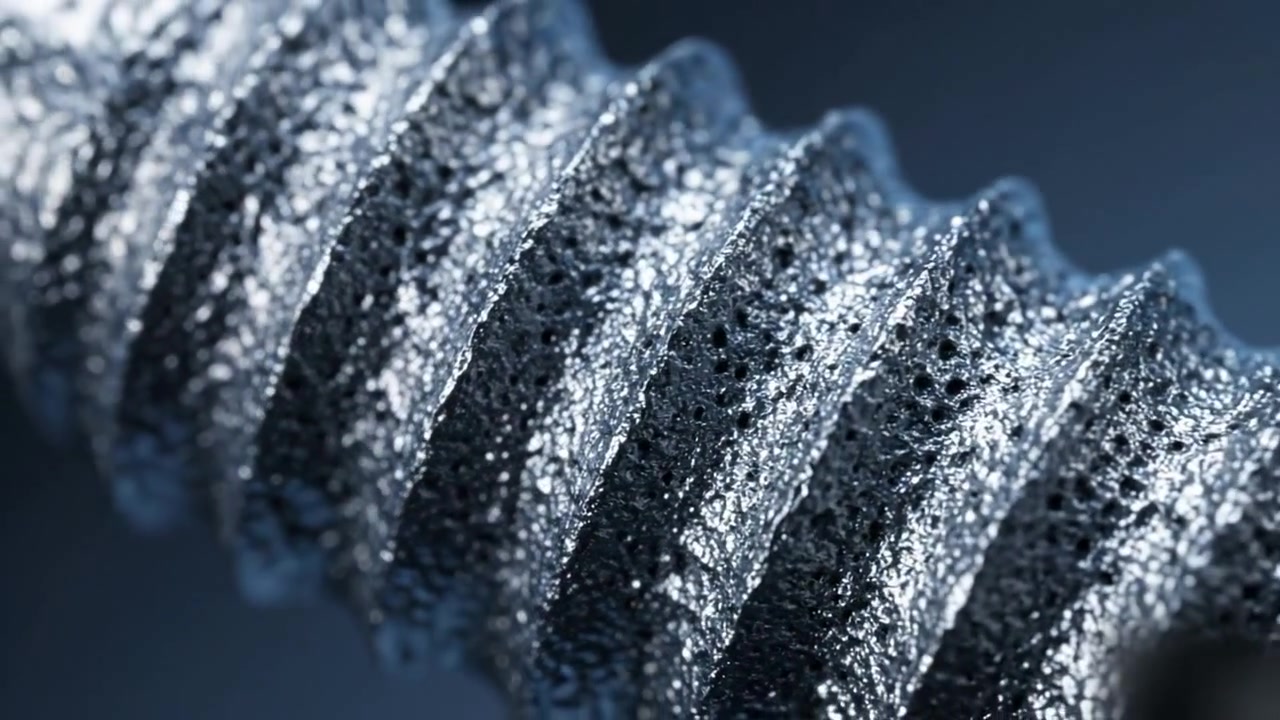
The implant is the pillar.
We’re building the architecture around it.
A patent-pending dental implant support architecture for the clinical middle zone between implant-alone treatment and procedural escalation.
 Dental Implant Stability Architecture
We improved the cylinder.
We never changed the support logic.
For nearly sixty years, implant dentistry has kept improving the implant itself - surfaces, connections, materials, digital planning. And in many cases, that has led to excellent solutions that work very well.
But the fundamental support logic never changed: a cylinder placed in bone, asked to integrate on its own. When conditions are ideal, it works beautifully. When they aren’t - compromised bone density, insufficient primary stability, complex loading - the implant is on its own. No standard way exists to add support at the implant level without changing the treatment plan entirely.
Micromotion during healing is one expression of the problem, not the whole of it. The deeper issue is what happens when an implant can still be placed, yet support conditions, force vectors, or restorative demands are no longer comfortably served by implant-alone logic.
What if the next leap is not another implant - but the architecture around it?
The clinical middle zone
Standard implants work extremely well when anatomy and conditions allow. Complex reconstruction exists for when they no longer do. But between those two worlds lies a large, underserved territory: selected moderate-atrophy cases, short- or narrow-implant scenarios, positional mismatch, and other cases in which an endosseous implant may still be placeable, yet implant-alone support is no longer the most comfortable answer. In these cases, clinicians are often pushed toward compromise, staging, augmentation, or more invasive escalation earlier than they would like. There is no intermediate step.
Bone present - support conditions limited
Enough bone for an implant, but not enough confidence in implant-alone support behavior during healing and function.
Positional mismatch
The implant can be placed, but the ideal prosthetic position and the available bone do not fully align.
Biomechanical compromise
The implant can be placed, yet loading conditions or restorative demands begin to exceed what implant-alone support can comfortably handle.
Anchortical: the missing rung
Clinicians in the middle zone currently face a binary: accept the compromise, or escalate the treatment plan. There is no way to add support to the implant without fundamentally changing the case.
Anchortical is developing that intermediate step. This is not another implant design. The endosseous implant remains the primary restorative pillar. A secondary cortical support pathway is added around it - not to replace the implant, but to reduce dependence on implant-alone support logic in selected cases.
The category extends beyond immediate stability. It covers selected cases where standard implant treatment remains possible, but implant-alone support is no longer sufficient for the demands of healing, loading, or restoration.
Modular by design
Staged in when needed. Staged out after integration. Retained longer-term when continued load sharing still matters. Replaced or upgraded as conditions evolve.
This is a design thesis being validated through engineering and prototype development. It is not a clinical claim.
Perspectives from the field
“It is exactly what was missing. It’s a completely new category.”Dr. Konstantinos E. Charalampakis Oral and Maxillofacial Surgeon, France
“Once attached to the endosseous implant, the masticatory forces are distributed throughout the structure - reinforcing the system as a whole.”Rod Jacinto Custom implant and dental-industry expert, UK
“This concept is highly interesting and can solve a multitude of clinical problems.”Senior implant-industry executive with engineering background, Israel
From single axis
to distributed architecture
One implant-level platform.
Two mechanical branches.
The implant remains the pillar. Anchortical adds a secondary cortical support pathway around it, creating a new layer between implant-alone treatment and procedural escalation. It is designed to work with familiar implant and restorative logic, not replace it.
CORE-T™
A secondary support branch for selected middle-zone cases where standard implant logic remains possible, but is no longer sufficient on its own.
Detailed embodiments are shared selectively under NDA.
CORE-S™
A cortical-contact branch within the CORE platform, addressing a different subset of stability conditions. Details are shared more selectively.
A new layer around implant therapy
Some cases do not need a different implant. They need a different support architecture around an implant that can still be placed. If validated, that is not a product tweak. It is a new architectural layer in implant therapy.
Support · Position · Continuity
Three ideas guide every design decision within the CORE platform.
Support
Add support where it is needed, when it is needed. The implant remains the primary element. The architecture around it is designed to improve the conditions for healing and function.
Position
Preserve the intended restorative position. Support conditions should serve the prosthetic plan, not override it.
Continuity
The prosthetic investment is no longer hostage to a single point of failure.
Same case. Different pathway.
Traditional pathway
Implant placed
Middle-zone constraint identified
Augment, stage, or wait
Second intervention
Provisional → definitive
Anchortical concept
Implant placed
Middle-zone constraint identified
Add secondary support
Provisional with secondary support
Monitor · adapt as needed
Not claiming better outcomes. Showing a different decision architecture. This pathway is being validated through engineering development. Anchortical has not generated clinical evidence at this stage.
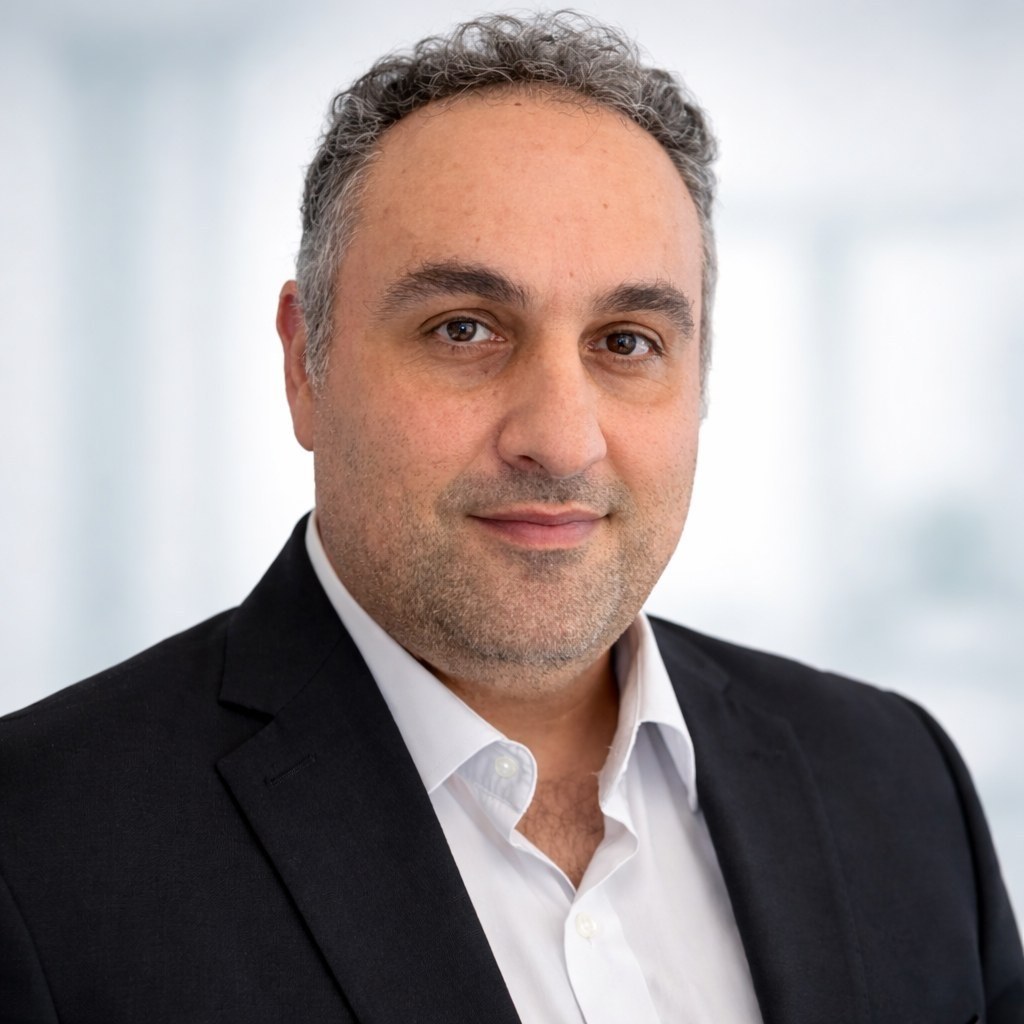
Dr. Eldad Ben Elazar, DMD
Built from two decades of implant work in cases where support conditions were rarely ideal - atrophic ridges, failed treatments, and complex full-arch rehabilitation.
Coming from a family legacy in oral rehabilitation and implant dentistry, the same gap kept appearing: the implant could often be placed, but there was no way to add support without escalating to a fundamentally different treatment plan.
Anchortical was formed to pursue that missing layer through filed IP, structured engineering, and selective conversations with people who understand the problem firsthand.
“Every concept starts from a patient I couldn’t help well enough with what exists today. Anchortical is the structured way to fix that.”
Where we stand
Anchortical is an early-stage dental med-tech company with patent-pending platform work filed in the United States. Internal biomechanical screening has narrowed first prototype directions. No physical prototype has been tested. No clinical data exists.
Current focus: translating the design thesis into first physical prototypes, finite element validation, and bench testing. Engineering partner engagement is underway.
We are in selective discussions with clinical advisors, engineering partners, and strategic collaborators.
CORE is the current lead platform within Anchortical’s broader long-term company vision.
We want to hear from
This site is intended for invited industry, engineering, and clinical discussion. It does not constitute a product offer or clinical recommendation.
If this category interests you, let’s talk.
We are open to licensing, co-development, and strategic partnership discussions with select industry partners. Public materials stop at architecture level by design. Detailed embodiments, engineering materials, and development roadmaps are shared selectively under mutual NDA.
Whether you represent an implant company, an engineering group, a clinical research team, or an investment fund - we welcome the conversation.
Direct: info@anchortical.com